

Awakening Experiences: A Jungian Perspective on Conscious Expansion

What Are Awakening Experiences?
Awakening experiences are brief moments in which consciousness expands, perception sharpens, and the world feels vividly alive. They may emerge during periods of psychological turmoil, immersion in nature, spiritual practice, or engagement with inspiring media. Individuals often report heightened awareness, a sense of unity with the world, and profound shifts in values and perspective (Taylor, 2013).
The Jungian Lens: The Self and Wholeness
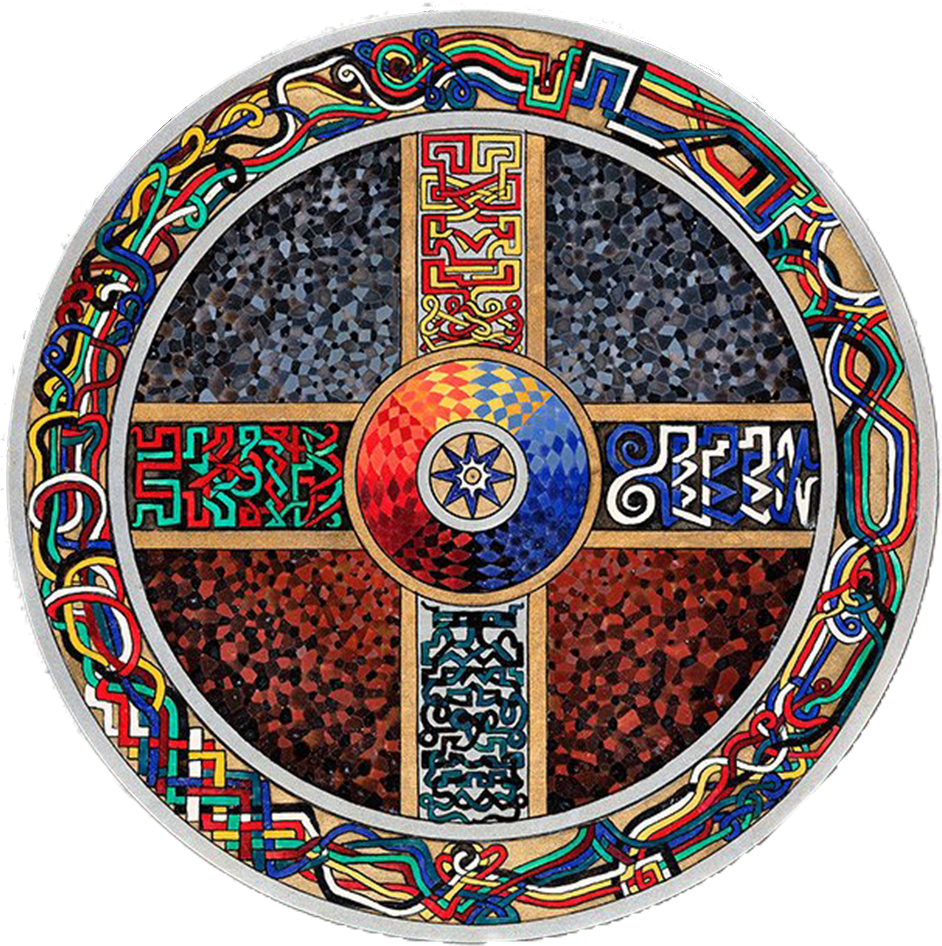
From a Jungian perspective, these experiences are manifestations of the Self—the central archetype representing wholeness and the guiding principle of the psyche. Jung described the Self as “the totality of the psyche, the guiding and regulating centre of the individual” (Jung, 1969/1980, para. 321). Awakening experiences often occur when unconscious material breaks into consciousness, revealing aspects of the psyche’s totality.
The psyche itself seeks to produce meaningful experience and wholeness.
(Jung, 1934/1966, para. 23)
Numinous Encounters and the Transcendent Function
Building on this, heightened perception and a sense of unity with the natural world reflect Jung’s concept of numinous encounters with archetypal reality, where the usual distinction between subject and object dissolves. Such moments evoke awe and mystery, reflecting the operation of the transcendent function—the reconciliation of opposites within the psyche that generates new consciousness and psychic energy. As Jung explained, “Only by bringing opposites together in a fruitful tension does the psyche achieve wholeness” (Jung, 1957/1966, para. 512).
Integrating Explosive Energy Safely
Some awakening experiences involve sudden surges of psychic energy. Jung cautioned: “A psychic event that is not assimilated becomes pathogenic” (Jung, 1934/1966, para. 28). Unlike approaches that advocate ego dissolution, the Jungian perspective strengthens the ego, enabling it to contain and integrate emerging unconscious material. This preserves stability while facilitating individuation: “The Self is not identical with the ego; it is the centre around which the ego must move” (Jung, 1966/1981, para. 412). The ego is therefore a supportive partner in the integration of profound experiences rather than something to be suppressed or dissolved.
Opportunities for Meaning-Making in Coaching
For Jungian coaching, awakening experiences offer rich opportunities for transformative meaning-making. Clients can integrate insights into daily life through reflective dialogue, creative engagement, mindfulness, and immersion in nature. Jung emphasized that engaging with unconscious material through active imagination allows insight to be fully embodied: “The creation of a symbolic world within the psyche…is the path to the wholeness of personality” (Jung, 1966/1981, para. 423).
Conclusion: Phenomenology Meets Archetype
Framing awakening experiences within a Jungian lens honors both their phenomenology and archetypal significance. They reveal the psyche’s innate drive toward wholeness, illustrating the interplay between personal insight, archetypal processes, and the lifelong journey of individuation. Taylor’s empirical research complements this framework, highlighting common triggers and characteristics of awakening, which often follow reflection, crisis, or immersion in the symbolic or natural world (Taylor, 2013).
References
- Jung, C. G. (1966). The Practice of Psychotherapy (Collected Works Vol. 16, R. F. C. Hull, Trans.). Princeton University Press. (Original work published 1934)
- Jung, C. G. (1966). Two Essays on Analytical Psychology (Collected Works Vol. 7, R. F. C. Hull, Trans.). Princeton University Press. (Original work published 1957)
- Jung, C. G. (1969/1980). The Archetypes and the Collective Unconscious (2nd ed., R. F. C. Hull, Trans.). Princeton University Press.
- Jung, C. G. (1981). The Structure and Dynamics of the Psyche (Collected Works Vol. 8, R. F. C. Hull, Trans.). Princeton University Press.
- Taylor, S. (2013). The Peak at the Nadir: Psychological Turmoil as the Trigger for Awakening Experiences. International Journal of Transpersonal Studies, 32(2), 1–12. https://digitalcommons.ciis.edu/ijts-transpersonalstudies/vol32/iss2/3
About the Author
Dr John O’Brien is a senior Jungian psychoanalyst and executive coach supervisor whose work bridges analytical psychology with leadership practice. He holds a Doctor of Philosophy in Psychology and a Diploma in Analytical Psychology from the C. G. Jung Institute Zürich, where he also contributes as a lecturer, examiner and training analyst.
John’s professional path began in vocational guidance, education, and counselling, before evolving into psychotherapy and psychoanalysis. Alongside his clinical work, he has extensive experience in individual and team consulting with major corporations and social service organisations, focusing on how psychological dynamics influence leadership, collaboration, and organisational change.
As both a practitioner and independent researcher, John seeks to integrate academic insight with lived human experience. His writing and teaching emphasise the relevance of Jungian thought for contemporary challenges, whether in individual development or in complex organisational systems. Through this work, his aim is to support processes of growth, reflection, and transformation at both personal and collective levels.


